Blog Detail
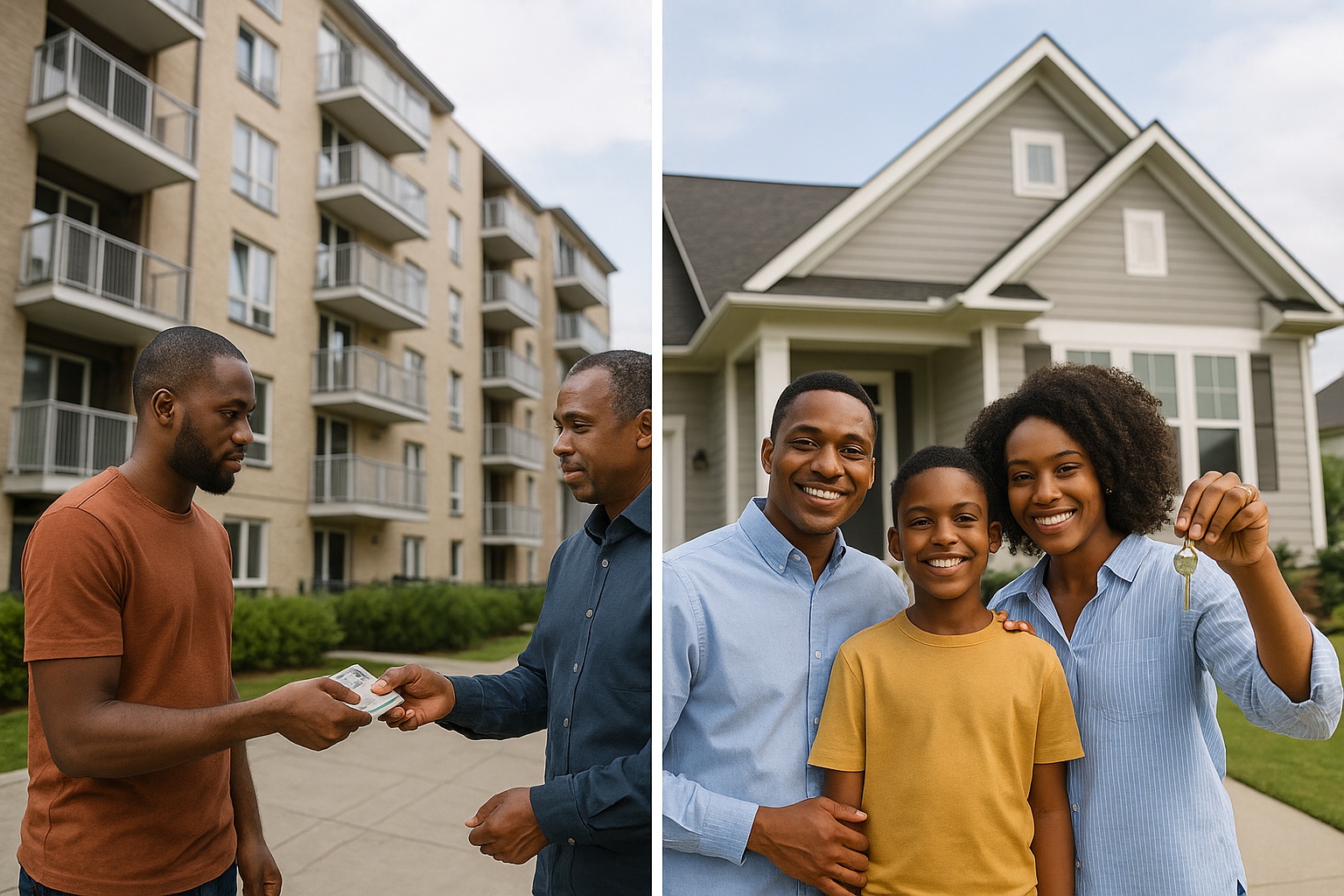

Renting vs. Getting a Mortgage in 2025 Nigeria: Which Makes More Financial Sense?
The Big Housing Question in Nigeria
For most Nigerians, housing remains one of the biggest financial decisions of their lives. In 2025, many young professionals and families are asking: Should I keep renting, or should I take the plunge into homeownership with a mortgage?
With rising rent prices, limited mortgage access, and the dream of homeownership becoming stronger, the decision between renting and owning is more relevant than ever.
The Case for Renting in 2025
Renting has been the default for millions of Nigerians due to the high cost of property and limited access to mortgages.
- Flexibility: Renting allows mobility, especially for professionals who move often for work.
- Lower upfront costs: Tenants don’t need millions of naira in down payments.
- No maintenance costs: Landlords cover repairs, property taxes, and major renovations.
However, rent prices in cities like Lagos and Abuja have skyrocketed. A two-bedroom apartment in Lekki can cost ₦2–₦3 million annually, meaning tenants spend large sums without building equity.
The Case for Mortgages in 2025
Mortgages are becoming more accessible through Federal Mortgage Bank of Nigeria (FMBN) and commercial banks, although challenges remain.
- Building Equity: Every repayment moves buyers closer to full ownership.
- Long-term savings: Mortgages spread payment over 10–20 years, making homes affordable in the long run.
- Protection from rent hikes: Owners don’t worry about annual rent increases.
For example, a ₦20 million property with a 20-year mortgage may require ₦5–₦6 million upfront and monthly repayments of ₦150k–₦200k, which is comparable to high rents in urban centers.
Cost Comparison: Renting vs. Mortgage Option
Renting
- Short-Term Cost: Lower initial cost, making it easier to move in without heavy financial commitment.
- Long-Term Impact: Continuous rent payments with no path to ownership.
- Wealth Effect: No asset is built, meaning money spent on rent doesn’t create long-term value.
Mortgage
- Short-Term Cost: Higher upfront deposit and initial expenses compared to renting.
- Long-Term Impact: Full ownership after completing the loan tenure.
- Wealth Effect: Builds equity and wealth, as every payment contributes to property ownership.
Risks and Challenges
- For renters: Rent hikes, insecurity of tenure, and wasted funds.
- For mortgage borrowers: Interest rate fluctuations, risk of default, and stricter qualification requirements.
Conclusion: Making the Smarter Choice in 2025
For Nigerians with stable incomes and access to financing, mortgages make more financial sense than renting in 2025. However, for those without consistent income or who value flexibility, renting still provides relief. Ultimately, the decision depends on financial discipline, job stability, and long-term goals.