Blog Detail

Nigeria’s Real Estate Boom - Why 2025 Could Be the Turning Point for Investors
Nigeria’s property market is no longer an overlooked frontier—it’s becoming one of Africa’s fastest-evolving investment destinations. In 2025, the sector continues to show resilience and potential, fueled by urban expansion, a housing supply gap, large-scale infrastructure projects, and increasing inflows from the diaspora community.
For smart investors, Nigeria’s real estate is more than just a safe bet—it’s a chance to be part of a market on the rise.
1. Infrastructure: The Backbone of Growth
Nigeria’s National Development Plan is channeling billions of dollars into modernizing infrastructure. From the ambitious Lagos–Calabar coastal highway to ongoing rail expansions and port upgrades, these projects are reshaping logistics, boosting connectivity, and opening up new corridors for residential, industrial, and commercial developments.
This kind of investment doesn’t just improve accessibility—it enhances property values and creates fresh demand in previously overlooked regions.
2. Diaspora Dollars Are Fueling the Market
Nigeria’s diaspora remains one of the strongest drivers of property investment. In 2024, remittances crossed $20 billion, with a growing portion directed toward real estate. Cities like Lagos, Abuja, and Port Harcourt are benefitting from diaspora-backed housing and commercial projects, providing developers with quasi-dollar funding and investors with stable, long-term returns.
3. Urbanization and Housing Demand
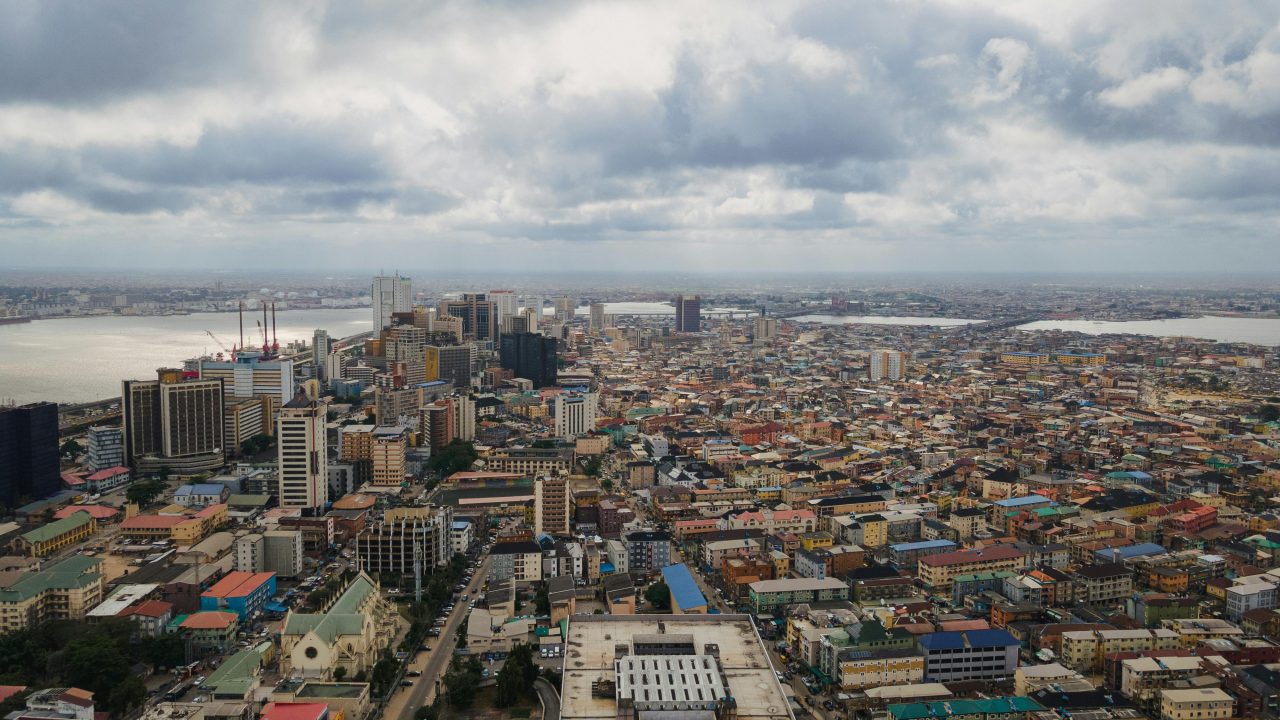
With a population of over 220 million and growing, Nigeria is urbanizing at breakneck speed. Lagos, now one of the world’s megacities, houses more than 20 million people. Abuja and Port Harcourt are also swelling with new residents.
The reality? Nigeria needs at least 500,000+ new homes annually to close its housing gap. For investors, this demand translates into consistent opportunities—whether in affordable housing projects or luxury high-rises in premium districts.
4. Luxury Real Estate on the Rise
Nigeria’s wealthy class is expanding, and with it, demand for prime properties. Scarcity of land in elite areas like Ikoyi, Victoria Island, and Banana Island, combined with rising construction costs, is creating a “scarcity premium.”
High-end residences, branded apartments, and serviced luxury homes are in high demand, often commanding dollar-denominated rents and offering yields between 4–6% annually. For international investors, this creates both a hedge against inflation and a profitable entry point into Africa’s most dynamic luxury segment.
5. Opportunities vs. Risks
Like any emerging market, Nigeria’s property sector isn’t without challenges. Inflation, foreign exchange volatility, and inconsistent regulatory rollouts remain hurdles. Mega-projects also face execution risks.
Yet, the opportunities outweigh the risks. For developers, diaspora families, and global investors, Nigeria represents a unique blend of fast-growing demand, expanding infrastructure, and rising wealth creation.
Final Thoughts
2025 could mark a pivotal year for Nigeria’s real estate market. The combination of population growth, infrastructure upgrades, and diaspora-driven investments is setting the stage for Nigeria to become one of Africa’s most powerful property hubs.
For investors looking to diversify into Africa, Nigeria offers something rare: a market with scale, resilience, and long-term upside.